

How Close To
Burnout Are You?
Support for professional women who are exhausted from holding it all together and
know something has to change.
Is this just stress, or something more?
You are smart, driven, and capable.
On paper everything looks fine.
Inside, it is a different story.
You wake up tired, even after a full night in bed.
Your brain feels foggy and it is harder to focus or make decisions.
You swing between overdoing and crashing, with very little in between.
Little things make you tearful, snappy or numb, and you do not quite recognise yourself.
You keep telling yourself “other people have it worse” yet your body is clearly saying “enough”.
You are holding up work, home, family and everyone else, and there is nothing left for you.

If you are in the early stages of recurring exhaustion, in the middle of burnout, or slowly coming out of the other side, you are in the right place. I’ve got you.
Why I Do This Work:
My Burnout Story
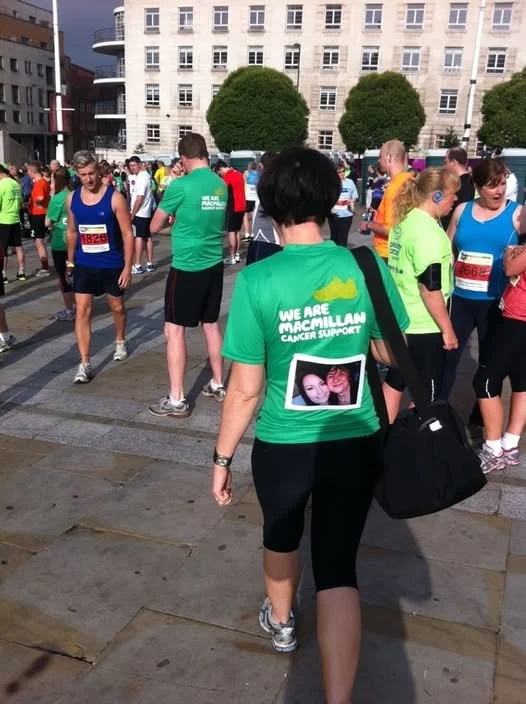
For years, I believed resilience meant pushing harder, being strong, coping, achieving,
and holding everything together. On the surface, I was successful and capable…
but inside, I was running on empty.
When my mam died from a rare form of brain cancer, everything I’d been holding collapsed. I hit a level of burnout that affected my mind, body and sense of self.
I was exhausted, foggy, disconnected and unable to keep going the way I had been.
That experience changed everything for me.
I realised resilience isn’t about endurance and pushing through at the cost of your health, it’s about awareness of your energy levels, the ability to regulate your nervous system, emotional capacity and sustainable recovery. So years later, I retrained, rebuilt myself,
and committed to helping others avoid the painful route I went through.
Today, I support women and workplace leaders to regulate their nervous system, build real resilience, and create success that doesn’t cost them their health, wellbeing and sanity.
If you’re in the early signs of burnout, right in the middle of it, or coming out the other side — know that you’re not alone.
I’ve been there.
And I’m here to help you rise from it, too.
Why burnout happens,
and why it is not your fault
Burnout is not a personal failure. It is a natural response when your nervous system, body and mind are in survival mode for too long.
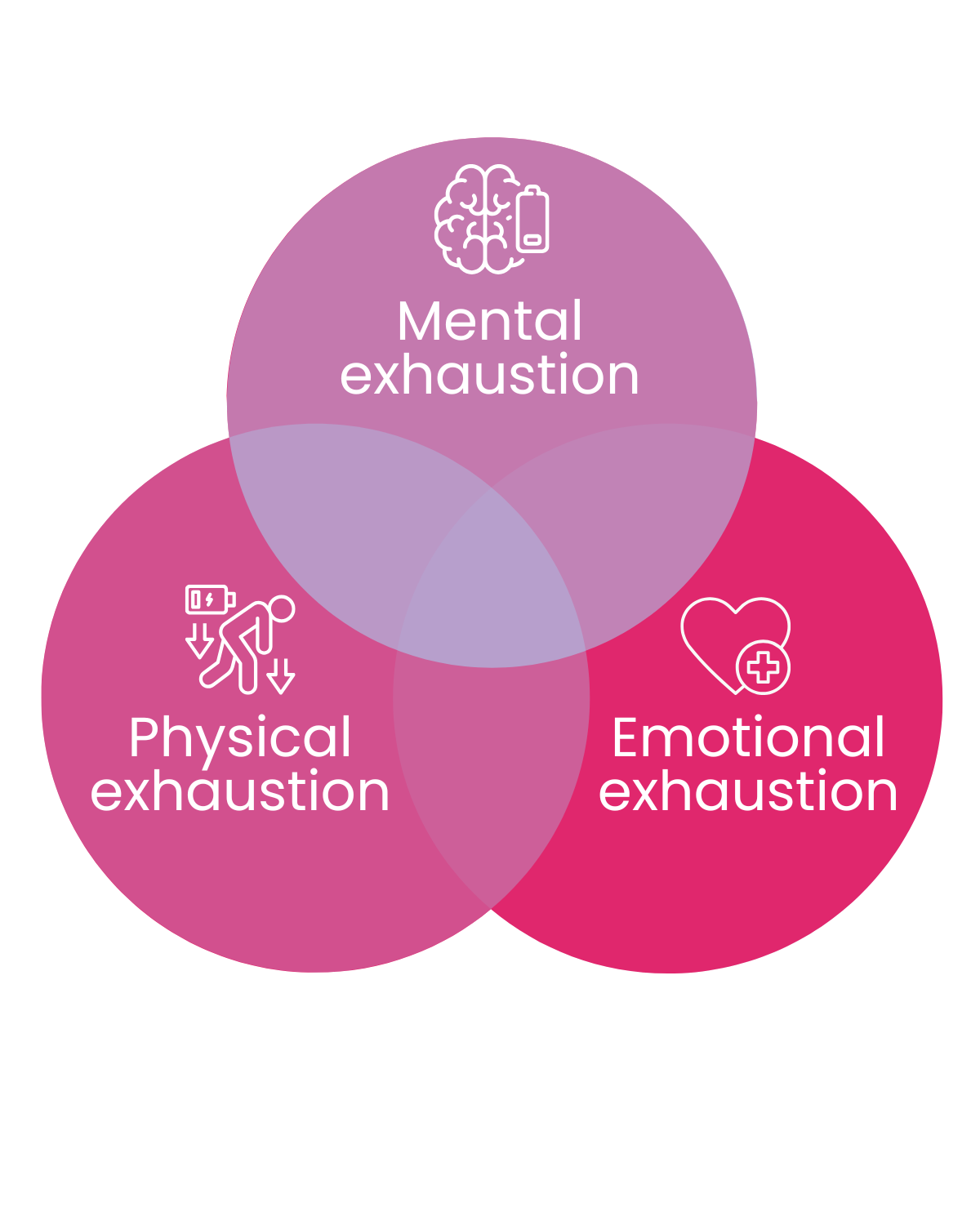
In simple terms:
Your brain and body are designed to handle short bursts of stress, followed by proper recovery.
When pressure becomes constant, your system stays in fight, flight or freeze.
Hormones like cortisol and adrenaline stay high, while rest and repair take a back seat.
Over time you feel wired and tired, then eventually just tired and flat.
Your creativity, empathy, focus and joy shrink, because your brain is busy trying to keep you safe.
Burnout often happens to the most capable,
caring and conscientious people.
The ones who step up, say yes, and carry on.
Understanding this is the first step towards changing it.
You do not have to know all the science.
You just need to know that your experience
makes sense, and that recovery is possible.
I want you to hear this clearly
You are not weak.You are not lazy
You are not broken.You are a human
being who has been running at full capacity for a long time
often while taking care of everyone else.
Shame & guilt keep people stuck in burnout more
than anything else. You deserve support, not self-criticism.
You are not going crazy,
and you are not imagining it.
If you are reading this, there is
a good chance you have been:
Minimising how bad you feel because others rely on you
Comparing yourself to your past self and wondering
“what is wrong with me?”
Feeling guilty that you are not coping,
when you “should” be able to
Worrying that if you stop, everything will fall apart
Where to begin…
If you are curious about working together but not sure what
you need yet, here are some simple next steps:
Take the free stress score quiz to get your current stress score & get a sense of where you are & what’s happening

Download your free reflection journal and spend a week gently observing & reflecting on your patterns

Book a free clarity call where we can talk about what is going on for you & explore which support pathway fits best
Burnout Q&A:
Your questions, answered
-
Burnout usually involves more than feeling busy or pressured. It often shows up as deep exhaustion that does not lift with a weekend off, increased cynicism or detachment, and a sense of reduced effectiveness or “what is the point”.
Taking the stress score quiz can help you understand where you are on the spectrum. With further support being available through a free discovery session.
READ MORE HERE -
Guilt is common, especially for women who are used to being the strong one. Together we look at the beliefs behind the guilt and create small, doable acts of self care that support you without dropping everything you care about.
-
It’s more common than you think - especially when you’ve spent years prioritising deadlines, expectations and other people’s needs. Burnout can disconnect you from your intuition and sense of direction, which makes everything feel foggy or “off”.
You don’t need to figure out your whole life right now. We start by helping you reconnect with your energy, values and needs so clarity can return naturally. When your nervous system settles, your desires become clearer too. -
This conversation can feel daunting, but it doesn’t need to be an emotional confession. It’s about communicating your needs and protecting your wellbeing.
A simple structure is:Share what you’re experiencing (facts, not blame).
Explain how it’s affecting your capacity.
Suggest adjustments that would help you perform sustainably.
Agree a short-term plan together.
You don’t have to go into personal detail - just enough for them to understand what support would make a difference. Preparing this conversation together in coaching can help you feel grounded and confident.
-
Not always. For some women, small but consistent changes in how they work, communicate and set boundaries can make a big difference. For others, bigger changes are needed. Coaching can help you work out what is realistic and what is necessary for you right now.
-
Yes, as long as it feels safe and manageable for you. We would move gently, focusing on nervous system support and then on planning a return to work at a pace that protects your recovery. If you are under medical care, coaching can sit alongside that.
-
Therapy often helps you process past experiences and underlying mental health issues. Coaching focuses on where you are now and where you want to be, with practical tools to support change. Many women choose one or both at different stages. I am happy to help you decide what feels right.
-
For many women, it can be a mix. Perimenopause can amplify stress sensitivity, fatigue, brain fog and emotional changes - the same symptoms that appear in chronic stress or burnout.
You don’t have to diagnose it alone. We look at your energy patterns, lifestyle, stress load and symptoms to understand what’s going on. The good news? The tools that support burnout recovery - nervous system regulation, energy management and mindset work - also support perimenopause wellbeing. Either way, you deserve support. -
It varies from person to person. Some women notice real shifts in a few months, others need longer, especially if they have been pushing through for years. Recovery is not a straight line, but with the right support you can move from survival to rebuilding and, in time, thriving again.